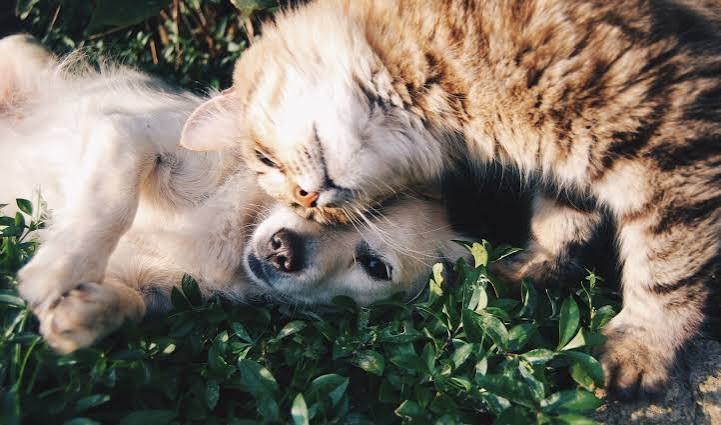
Having a pet at home is a wonderful experience. Pets bring happiness, companionship, and unconditional love into our lives. However, taking care of an animal also comes with responsibilities that every pet owner should understand. While most people want the best for their pets, small mistakes in daily care can sometimes affect an animal’s health, comfort, and happiness.
The good news is that many common pet care mistakes are easy to avoid once you know what to look for. Whether you have a dog, cat, rabbit, bird, or another animal, understanding your pet’s needs can help you provide better care and build a stronger bond with them.
In this article, we will discuss some common pet care mistakes and share simple ways to avoid them.
1. Feeding the Wrong Food
One of the most common mistakes pet owners make is giving their pets food that is not suitable for their nutritional needs. It may seem harmless to share food from your plate, but some human foods can be dangerous for animals.
For example, chocolate, grapes, raisins, onions, and foods containing xylitol can be toxic to dogs. Cats also have specific nutritional requirements and should not be fed a diet designed for other animals.
Feeding too many treats or providing oversized portions can also lead to weight gain and other health problems.
How to avoid it:
Choose a balanced pet food that suits your animal’s species, age, size, and health needs. Follow appropriate portion guidelines and keep treats in moderation. Before introducing new foods, check whether they are safe for your pet. If you are unsure about its diet, ask a veterinarian for advice.
2. Forgetting to Provide Fresh Water
Water is essential for every pet, yet it is easy to overlook when daily life gets busy. An empty, dirty, or difficult-to-reach water bowl can prevent an animal from drinking enough.
Dehydration can become particularly concerning during hot weather, after exercise, or when a pet is unwell.
How to avoid it:
Keep fresh, clean water available throughout the day. Wash the bowl regularly and refill it whenever necessary. If you have multiple pets, make sure each animal can access water comfortably without being intimidated by another pet.
Pay attention to changes in drinking habits. If your pet suddenly drinks much more or less than usual, consult a veterinarian.
3. Skipping Regular Veterinary Checkups
Some pet owners visit the veterinarian only when their animal appears sick. However, certain health problems can develop without obvious symptoms in the early stages.
Skipping routine checkups may mean missing opportunities to identify dental issues, parasites, weight problems, or other conditions before they become more serious.
How to avoid it:
Schedule regular veterinary visits based on your pet’s age, health, and lifestyle. Keep vaccinations and parasite prevention up to date according to professional advice.
It is also helpful to maintain a record of medical appointments, medications, and vaccinations. This makes it easier to monitor your pet’s health and discuss concerns with your veterinarian.
4. Not Giving Enough Exercise
Pets need physical activity to maintain a healthy weight, build strength, and release energy. When they do not get enough exercise, some may become restless, bored, or develop unwanted behaviors.
Dogs often need regular walks and opportunities to play, while cats benefit from interactive toys, climbing areas, and short play sessions. Small animals also require appropriate space and activities suited to their species.
How to avoid it:
Make exercise part of your daily routine. Choose activities that match your pet’s age, energy level, and physical condition. A short walk, a game of fetch, or a few minutes of interactive play can make a difference.
Avoid pushing your pet beyond its limits, especially during hot weather or if it has health problems. Ask your veterinarian for guidance if you are unsure how much activity is appropriate.
5. Ignoring Grooming and Dental Care
Grooming is not only about keeping your pet looking clean. Poor grooming habits can lead to tangled fur, skin irritation, overgrown nails, and discomfort. Dental problems can also develop when teeth are not cared for properly.
Some owners forget that cats, dogs, and other animals need different grooming routines depending on their coat, age, and individual needs.
How to avoid it:
Brush your pet regularly, bathe it when necessary, and check its ears, skin, and nails. Use grooming products designed for the appropriate species.
Dental care deserves attention too. Brush your pet’s teeth with a pet-safe toothbrush and toothpaste when appropriate, and ask your veterinarian about other ways to maintain oral health.
If grooming reveals unusual lumps, wounds, irritated skin, or signs of pain, seek professional advice rather than trying to treat the problem yourself.
6. Leaving Pets Alone for Too Long
Pets need companionship and mental stimulation, although the amount of interaction they require varies by species and individual temperament. Leaving an animal alone for longer than it can comfortably manage may contribute to stress, boredom, or behavioral problems.
For example, some dogs struggle when separated from their owners, while certain birds and social animals need regular interaction and environmental enrichment.
How to avoid it:
Understand your pet’s social needs and plan your schedule accordingly. Provide safe toys, comfortable resting areas, and activities that help prevent boredom.
If you will be away for an extended period, arrange appropriate care from a trusted person or qualified pet sitter. Make sure the caregiver understands your pet’s feeding schedule, health needs, and normal behavior.
Remember that having food and water available does not replace the attention and care an animal may need.
7. Using Punishment Instead of Positive Training
When pets chew furniture, scratch objects, bark excessively, or have accidents indoors, owners may become frustrated. Responding with shouting or physical punishment, however, can create fear and damage the relationship between the pet and its owner.
Unwanted behavior can have many causes, including stress, boredom, inadequate training, and medical problems.
How to avoid it:
Use positive reinforcement to encourage good behavior. Reward your pet with praise, play, or suitable treats when it follows a command or behaves appropriately.
Be patient and consistent during training. For dogs, this might mean rewarding them for sitting calmly. For cats, it could involve providing a scratching post and rewarding them for using it.
If a behavior changes suddenly or becomes difficult to manage, consider whether an underlying health issue or environmental stressor may be involved.
8. Neglecting Your Pet’s Living Environment
A pet’s surroundings have a major influence on its health and comfort. Dirty bedding, unsafe objects, poor ventilation, and a lack of suitable space can create unnecessary risks.
Household items such as cleaning chemicals, human medications, electrical cords, and certain plants may also be dangerous to curious animals.
How to avoid it:
Keep your pet’s living area clean, comfortable, and free from hazards. Wash bedding, clean food and water bowls, and maintain litter boxes or enclosures as appropriate.
Provide a quiet resting place and enough space for your pet to move naturally. Secure windows, balconies, fences, and gates where necessary.
If your pet spends time outdoors, make sure it has appropriate shelter and protection from extreme temperatures. Never leave an animal unattended in a parked car during warm weather.
9. Ignoring Changes in Behavior
Pets cannot tell us directly when they feel uncomfortable or unwell, so changes in behavior may be important warning signs.
A normally playful dog that suddenly becomes inactive, a cat that starts hiding, or an animal that refuses food may be experiencing stress or a health problem.
It is easy to assume these changes are temporary, but ignoring persistent or sudden symptoms can delay necessary treatment.
How to avoid it:
Pay attention to your pet’s usual habits, including appetite, energy level, sleep, drinking, and bathroom behavior.
If something seems unusual, observe when the change started and whether other symptoms are present. Contact a veterinarian if the behavior persists or causes concern. Seek urgent veterinary care for serious symptoms such as difficulty breathing, collapse, or suspected poisoning.
Knowing what is normal for your pet makes it easier to recognize when something needs attention.
10. Forgetting About Parasite Prevention
Fleas, ticks, worms, and other parasites can affect pets of different species. They may cause itching, discomfort, digestive problems, or more serious health issues.
Some owners assume their indoor pets are completely protected from parasites. However, certain parasites can still enter the home or affect animals that rarely go outside.
How to avoid it:
Talk to your veterinarian about appropriate parasite prevention for your pet’s species, lifestyle, and location. Check your pet’s skin and coat regularly, especially after outdoor activities.
Keep bedding and living spaces clean, and follow the instructions for any preventive treatment carefully.
Never use a product intended for one species on another without professional confirmation. Some dog flea treatments, for example, contain ingredients that are highly toxic to cats.
11. Overlooking Your Pet’s Mental Stimulation
Providing food, water, and shelter is essential, but pets also need opportunities to explore, play, and express natural behaviors. Without enough mental stimulation, some animals may become bored or develop unwanted habits.
Cats may scratch furniture when they lack suitable scratching options, while dogs may chew household items when they have insufficient enrichment.
How to avoid it:
Offer toys, games, training activities, and opportunities for safe exploration. Rotate toys occasionally to keep them interesting, and choose activities that suit your pet’s natural instincts.
Puzzle feeders can provide enrichment for some animals, while scent games may be enjoyable for dogs. Birds and small pets also benefit from appropriate species-specific enrichment.
You do not need to spend a lot of money. Regular interaction and a few thoughtfully chosen activities can help make your pet’s day more enjoyable.
12. Assuming Every Pet Has the Same Needs
Another common mistake is believing that all pets can be cared for in the same way. In reality, different animals have different dietary, environmental, social, and exercise requirements.
For example, rabbits need a diet based largely on suitable grass hay, cats are obligate carnivores, and birds require nutrition and housing suited to their species. Even two dogs of the same breed may have different activity levels or medical needs.
How to avoid it:
Learn about your pet’s species, breed, age, and individual personality before making decisions about its care. Research reliable sources and speak with a veterinarian when you need guidance.
As your pet grows older or develops new health needs, be prepared to adjust its routine. Good pet care is not a one-size-fits-all approach; it requires understanding the individual animal.
Conclusion
Taking care of a pet is a rewarding experience, but it also requires knowledge, patience, and consistent attention. Many common pet care mistakes happen because owners are busy, lack information, or simply do not realize that a small habit could affect their animal’s well-being.
By providing appropriate food, fresh water, regular exercise, proper grooming, a safe environment, and routine veterinary care, you can avoid many of these problems. Paying attention to changes in behavior and understanding your pet’s individual needs are equally important.
Remember, being a good pet owner does not mean knowing everything from the beginning. It means being willing to learn, make improvements, and put your pet’s well-being first.
Small changes in your daily routine can have a lasting impact. With the right care, attention, and affection, you can help your pet live a healthier, more comfortable, and happier life.