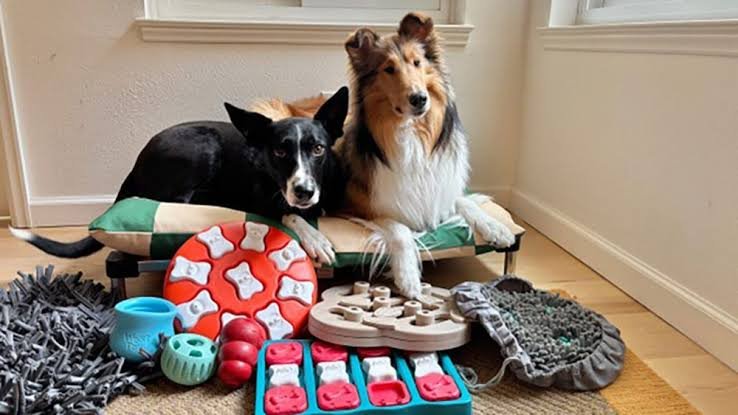
Keeping your dog happy and entertained is an important part of being a responsible pet owner. However, between work, household chores, family responsibilities, and everyday commitments, finding enough time to keep your furry friend busy can sometimes be challenging.
The good news is that entertaining your dog does not always require expensive toys, long outings, or hours of free time. A few simple activities at home can help your dog stay mentally stimulated, physically active, and emotionally satisfied.
Dogs need more than food, water, and a comfortable place to sleep. They also benefit from opportunities to explore, sniff, learn, play, and interact with their owners. Without enough stimulation, some dogs may become bored and develop unwanted habits, such as excessive barking, chewing furniture, digging, or constantly seeking attention.
Whether you have an energetic puppy, an adult dog, or a senior companion, there are plenty of easy ways to make your dog’s day more interesting without disrupting your schedule.
In this guide, we will explore 10 simple activities to keep your dog entertained at home, along with practical tips for busy owners who want to keep their pets happy even on hectic days.
Why Is It Important to Keep Your Dog Entertained?
Dogs are naturally curious animals. They enjoy exploring their surroundings, using their noses, solving simple problems, and interacting with people.
When dogs have regular opportunities to engage in these activities, they are more likely to feel satisfied and relaxed at home.
Keeping your dog entertained offers several benefits:
- Mental stimulation: Puzzle games and training exercises encourage dogs to think and solve problems.
- Physical activity: Indoor games help dogs move around when outdoor exercise is limited.
- Reduced boredom: Interesting activities give dogs something appropriate to do instead of chewing household items or seeking constant attention.
- Stronger bonding: Playing and training together can strengthen the relationship between you and your dog.
- Confidence building: Gentle, reward-based activities can help dogs become more comfortable with new experiences.
- Healthy routines: Short play sessions throughout the day can provide structure and variety.
It is worth remembering that entertainment does not replace every dog’s need for outdoor walks, social interaction, or exercise. The right balance depends on your dog’s age, breed, health, temperament, and energy level.
10 Easy Activities to Keep Your Dog Entertained at Home
You do not need an elaborate setup to make your home more enjoyable for your dog. Many activities use items you already have or require only a few minutes of your time.
1. Play a Fun Game of Hide-and-Seek
Hide-and-seek is a simple indoor game that encourages your dog to use its nose, pay attention, and interact with you.
It is especially useful on rainy days or when you cannot spend much time outside.
How to play:
- Ask your dog to stay, or have another person gently hold your dog if it cannot stay reliably.
- Walk to an easy hiding spot, such as behind a doorway or beside a sofa.
- Call your dog’s name in a cheerful voice.
- When your dog finds you, reward it with praise, affection, or a small treat.
- Gradually choose slightly more challenging hiding places as your dog learns the game.
Start with easy hiding spots so your dog understands what to do. Keep the environment safe and avoid places where your dog could become trapped or knock over objects.
For busy owners, even five minutes of hide-and-seek can provide an enjoyable break during the day.
2. Turn Mealtime Into a Puzzle Game
Many dogs enjoy working for their food, especially when the activity allows them to sniff and explore.
Instead of serving every meal in a regular bowl, try turning part of your dog’s mealtime into a simple enrichment activity.
You can hide small portions of your dog’s usual kibble around an easy-to-search area or use a food puzzle designed for dogs.
Try these ideas:
- Place kibble in a dog-safe puzzle feeder.
- Hide a few pieces of food in several easily accessible spots.
- Use a snuffle mat designed for pets.
- Scatter kibble over a clean, flat surface where your dog can safely search for it.
Start with an easy challenge and increase the difficulty gradually.
Always supervise your dog when introducing a new feeding toy. Avoid small objects, loose pieces, or anything your dog might swallow. If your dog tends to gulp food, choose a suitable slow feeder or puzzle instead of scattering food where it may be eaten too quickly.
Using some of your dog’s regular meal as a reward can also help avoid adding unnecessary calories.
3. Teach Your Dog a New Trick
Training is an excellent way to keep your dog mentally engaged while building useful skills.
You do not need a long training session to make progress. Five to ten minutes of positive, reward-based training can be enough for many dogs.
If your dog already knows basic commands such as sit, stay, and come, introduce something new.
Some easy tricks include:
- Give paw.
- Spin in a circle.
- Touch your hand with its nose.
- Go to a designated mat.
- Find a favorite toy.
- Put a toy into a basket.
Choose one trick at a time and break it into small steps. Reward your dog when it performs the desired action, and keep sessions upbeat.
Avoid punishment or forcing your dog into uncomfortable positions. If your dog becomes frustrated or loses interest, take a break and try again later.
Training provides more than entertainment. It can also improve communication between you and your pet.
4. Create a DIY Snuffle Box
Dogs experience much of the world through their sense of smell. Sniffing activities allow them to explore their environment in a natural and rewarding way.
A simple snuffle box can be made using a sturdy, shallow cardboard box and a small amount of your dog’s regular food.
How to make one:
- Choose a clean cardboard box without staples, tape, or sharp edges.
- Place a few loosely crumpled sheets of plain paper inside.
- Hide several pieces of kibble between the paper.
- Put the box on a non-slip surface.
- Encourage your dog to sniff around and find the food.
Stay nearby to make sure your dog searches for the treats rather than eating the cardboard or paper.
If your dog likes shredding and swallowing paper, skip this activity and use a washable snuffle mat or another dog-safe food puzzle instead.
You can prepare the box before a busy work period and offer it during a supervised break.
5. Play a Gentle Game of Fetch Indoors
Fetch is not just for parks and backyards. If you have enough clear space, you can play a modified version inside your home.
Choose a soft, lightweight toy and use a hallway or open room with plenty of room to move.
For safer indoor fetch:
- Move breakable objects out of the way.
- Avoid slippery floors that could cause your dog to fall.
- Roll the toy along the floor instead of throwing it high.
- Keep throws short and controlled.
- Stop if your dog becomes overly excited or starts slipping.
Not every dog enjoys fetch, and high-energy play may not be appropriate for dogs with certain joint, heart, or breathing problems.
If your dog is older or has mobility limitations, try rolling a soft toy a short distance rather than encouraging jumping and sudden turns.
A few minutes of gentle play can provide an enjoyable change of pace during the day.
6. Offer a Safe Chew Toy
Chewing is a normal canine behavior. Providing appropriate chew toys can give your dog a satisfying activity and help redirect attention away from shoes, furniture, and other household items.
Choose a toy that matches your dog’s size, chewing strength, and play style.
Some dogs enjoy rubber chew toys, while others prefer soft toys or food-stuffable products.
For an added challenge, you can fill a suitable food-stuffable toy with a portion of your dog’s regular food. Some products can also be chilled or frozen according to the manufacturer’s instructions.
However, not every chew is safe for every dog.
Avoid objects that are small enough to swallow, toys that break into sharp pieces, and excessively hard items that may damage teeth. Monitor your dog during chewing, especially when introducing a new product.
Replace damaged toys promptly.
A suitable chew toy can be especially helpful when you need to complete a task and your dog needs a quiet activity nearby.
7. Make a Simple Indoor Obstacle Course
If your dog enjoys exploring and moving around, a small indoor obstacle course can add variety to its day.
You can create one with everyday household items, provided they are stable and safe.
For example, arrange a few cushions to walk around, place a low obstacle for your dog to step over, or create a short path between chairs.
Encourage your dog to follow you through the course using treats, praise, or a favorite toy.
Keep these safety tips in mind:
- Use stable objects that cannot easily fall over.
- Avoid high jumps and slippery surfaces.
- Do not use furniture that could tip or break.
- Keep the course appropriate for your dog’s size and physical condition.
- Never force your dog to complete an obstacle it finds frightening.
For puppies, senior dogs, and dogs with joint problems, a simple sniffing trail or walking route is often a better choice than jumping exercises.
The goal is to create a fun experience, not a demanding workout.
8. Rotate Your Dog’s Toys
If your dog has access to the same toys every day, some of them may eventually lose their appeal.
Toy rotation is an easy way to make familiar objects feel interesting again without constantly buying new ones.
Keep a small selection of toys available and store the rest somewhere your dog cannot reach. Every few days, replace some of the available toys with different ones.
For example, your dog might have a soft toy, a rubber toy, and a puzzle feeder one day. Later in the week, you could introduce a different ball or a favorite tug toy.
Observe which toys your dog enjoys most and rotate accordingly.
Always inspect toys for loose parts, damaged seams, or broken pieces before returning them to use.
Toy rotation is particularly useful for busy owners because it requires little preparation and can provide variety throughout the week.
9. Let Your Dog Enjoy a Scent Hunt
A scent hunt is one of the easiest ways to turn an ordinary room into an engaging activity.
Rather than relying on running and jumping, this game encourages your dog to use its nose to locate hidden treats.
Start by showing your dog a small treat and placing it somewhere easy to find, such as beside a chair leg or near its bed.
Encourage your dog to search for it. Once it understands the game, hide a few additional treats in slightly more challenging but accessible locations.
You can also use a favorite toy instead of food.
For a more structured version, teach your dog a cue such as “find it” whenever you begin a search.
Keep the search area free of cleaning products, electrical cords, small objects, and anything your dog might chew or swallow.
Use small treats and account for them in your dog’s daily food allowance.
Even a short scent hunt can be rewarding because it allows your dog to use a natural ability rather than simply repeating physical movements.
10. Spend Time Together Without Distractions
Sometimes, the most valuable activity is simply giving your dog your attention.
Dogs are social animals, and many enjoy being near their owners even when nothing particularly exciting is happening.
You do not always need to organize a game or introduce a new toy. Sitting together, gently brushing your dog if it enjoys grooming, or practicing a few easy commands can provide meaningful interaction.
You could also spend a short break doing the following:
- Sit on the floor and invite your dog to relax beside you.
- Offer gentle petting if your dog seeks and enjoys it.
- Practice a few familiar training cues.
- Groom your dog using an appropriate brush.
- Play a calm game with a favorite toy.
Pay attention to your dog’s body language. If it moves away, turns its head, or appears uncomfortable, give it space rather than insisting on interaction.
For owners working from home, brief moments of attention between meetings can help create a predictable routine.
Your dog does not need constant entertainment. A combination of activity, companionship, rest, and independent play is often more useful than trying to keep it busy every minute.
A Simple Daily Entertainment Routine for Busy Owners
You do not have to fit all ten activities into a single day. A realistic routine that combines short play sessions, mental stimulation, exercise, and rest is usually easier to maintain.
Here is an example you can adapt to your schedule.
| Time | Activity | Suggested duration |
|---|---|---|
| Morning | Walk, sniffing time, or outdoor exercise suited to your dog | 15–30 minutes or as appropriate |
| Before work | Food puzzle or snuffle mat | 5–10 minutes |
| Midday | Short training session or supervised scent hunt | 5–10 minutes |
| Afternoon | Chew toy or another suitable enrichment activity | 10–20 minutes |
| Evening | Walk, gentle fetch, or interactive play | 15–30 minutes or as appropriate |
| Before bed | Calm companionship and settling time | 5–10 minutes |
These times are examples, not universal exercise recommendations. Puppies, senior dogs, high-energy breeds, and dogs with health conditions have different needs.
If you work long hours away from home, consider whether your dog needs a midday visit, dog walker, trusted caregiver, or other appropriate support. Food puzzles and toys can provide enrichment, but they do not replace bathroom breaks, exercise, or human care.
How to Keep Your Dog Entertained While You Work From Home
Working from home can make it easier to spend time with your dog, but it can also create challenges when your pet expects attention throughout the day.
The key is to create a routine that gives your dog opportunities for interaction while also encouraging independent relaxation.
Establish a Comfortable Workspace
Provide your dog with a comfortable bed or resting area near your workspace if it enjoys being nearby.
Some dogs settle more easily when they can see their owners. Others prefer a quieter spot away from movement and noise.
Make sure the area is free of hazards and gives your dog room to rest without being disturbed.
Schedule Short Breaks
Instead of responding to every request for attention immediately, build a few short breaks into your day.
During these breaks, you can take your dog outside, practice a trick, or play a brief sniffing game.
Predictable interaction can help you balance work responsibilities with your dog’s needs.
Encourage Independent Activities
Teach your dog to enjoy appropriate solo activities, such as resting on a mat or using a safe food puzzle.
Introduce these activities while you are present, so you can observe how your dog handles them.
Do not assume that every dog can safely or comfortably entertain itself for long periods. Dogs that struggle with being alone may need gradual training or help from a qualified professional.
Reward Calm Behavior
When your dog settles quietly while you work, you can occasionally reward that behavior with gentle praise or a small treat.
This helps reinforce the idea that relaxing can be rewarding, too.
The aim is not to prevent your dog from seeking attention altogether. It is to develop a healthy balance between interaction and rest.
How to Choose Activities Based on Your Dog’s Age
Not every activity suits every dog. Adjust games according to your pet’s age, health, mobility, and temperament.
Puppies
Puppies benefit from short, positive activities that help them explore and learn.
Good options include simple scent games, gentle training, safe chew toys, and supervised exploration.
Avoid excessive jumping, repetitive high-impact exercise, and activities that overwhelm a young puppy.
Puppies also need plenty of sleep, regular bathroom breaks, and opportunities to learn how to settle calmly.
Adult Dogs
Healthy adult dogs may enjoy a broader mix of physical activity and mental challenges.
Try training games, food puzzles, hide-and-seek, scent hunts, and appropriate fetch sessions.
The amount of exercise needed varies considerably between individual dogs, so consider breed characteristics, health, and energy level.
Senior Dogs
Older dogs may prefer calmer activities that stimulate their minds without putting excessive strain on their bodies.
Gentle scent hunts, short training sessions, easy food puzzles, and quiet companionship are often good choices.
If your senior dog has arthritis, vision changes, hearing loss, or other health problems, adjust activities accordingly and ask your veterinarian about appropriate exercise.
Common Mistakes to Avoid When Entertaining Your Dog
Keeping your dog busy is important, but safety and comfort should always come first.
Here are some mistakes worth avoiding:
- Overstimulating your dog: Too much excitement can leave some dogs restless rather than relaxed. Balance play with quiet time.
- Using unsafe household objects: Small items, loose strings, and breakable materials may cause choking or injury.
- Leaving new toys unsupervised: Some dogs destroy and swallow parts of toys, so check how your pet interacts with each item.
- Giving too many treats: Treats add calories. Use part of your dog’s regular food where appropriate.
- Ignoring physical limitations: Adjust activities for age, health, and mobility.
- Expecting toys to replace companionship: Toys can help, but dogs still need interaction, exercise, bathroom breaks, and appropriate care.
- Forcing participation: If your dog appears afraid, tired, or uninterested, choose another activity or let it rest.
It is also important to recognize when boredom may not be the only problem. Persistent destructive behavior, excessive barking, pacing, or distress when left alone can sometimes indicate anxiety, pain, or another issue that requires additional support.
If these behaviors are frequent or severe, consult a veterinarian or qualified behavior professional rather than relying only on entertainment activities.
Final Thoughts
Keeping your dog entertained at home does not have to be complicated or expensive. Small activities, such as hide-and-seek, scent hunts, food puzzles, training games, and safe chew toys, can add variety to your dog’s day without requiring hours of preparation.
For busy owners, the most effective approach is to make enrichment part of an everyday routine. A few minutes of interaction before work, a puzzle during a supervised break, and some playtime in the evening can make a difference.
Remember that every dog is different. Some love energetic games, while others prefer sniffing, gentle training, or simply relaxing beside their favorite person.
Pay attention to your dog’s preferences, adjust activities to its physical needs, and always supervise anything that could pose a safety risk.
The best way to keep your dog entertained is to combine mental stimulation, appropriate physical activity, companionship, and plenty of rest. You do not need to be a perfect pet owner or spend money on expensive toys. Consistent attention and a little creativity can help make home a happier place for your four-legged friend.