The importance of basic listening skills
Human communication depends on speaking as well as listening. Many people know how to talk, but do not have the ability to listen effectively. Basic Listener Responding Skills are the skills that help us listen, understand, and respond appropriately to others. These skills are equally important in both personal and professional lives.When you listen to someone with full attention, not only does that person feel important, but their trust in you also increases. This is why in today’s world, where fast-paced life has turned humans into machines,The need for Basic Listener Responding Skills is greater than ever. Whether it’s a business meeting, a family discussion, or a conversation with friends — effective listening skills strengthen relationships everywhere.
Active Listening Techniques
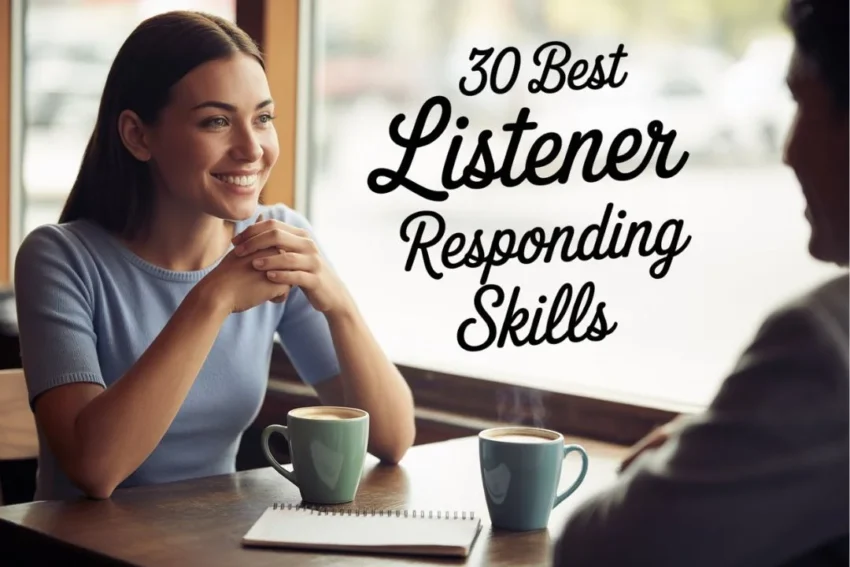
Active listening is the listening skill in which you are not only listening, but also listening with full attention, feeling, and understanding. The first and most important component of Basic Listener Responding Skills is “Active Listening”. In this, the listener’s job is not just to listen silently, but also to nod during the conversation, maintain eye contact, and add short phrases such as “yes”, “good”, or “understood”. A It makes the speaker feel that you are taking him or her seriously. Another active listening technique is “Paraphrasing”, i.e. repeating what is said in your own words so that the speaker is sure that you have understood it correctly. Adopting all these techniques not only improves the quality of listening but also increases clarity and understanding in the conversation.
Effective ways to respond
The second important step after listening is to respond appropriately. Responding is an art form in Basic Listener Responding Skills. When you listen to someone, your response should not be just verbal but should also include feelings, understanding, and empathy. To respond effectively, it is important to pause after listening carefully, organize your thoughts,And then give a response that can satisfy the other person. For example, if someone is mentioning their personal problems, it is not enough to just say “Okay” or “Oh well”, but it would be better to say: “I’m sorry that you are facing this situation,Can I help you in any way?” These types of responses not only demonstrate your listening skills but also establish a positive impression of your personality and behavior.
Basic listening skills required
In today’s era where the importance of communication and interaction is increasing day by day, listening skills have also become very important. Many people focus on speaking but rarely adopt the skill of listening. Basic Listener Responding Skills are the basic skills that identify a good listener. The ability to listen is not just hearing with the ears but also understanding, feeling, and responding appropriately.If we take listening as just hearing, communication will be flawed and relationships will suffer. Effective listening not only helps us better understand the thoughts and feelings of others, but it can also make our own communication more effective. Whether in our personal lives or in the work environment, basic listening skills play a key role in strengthening relationships.
Basic characteristics of active listening
Active listening is a listening style in which the listener listens to the speaker with full attention, focus, and interest. It is not just about hearing the words but also about understanding the speaker’s feelings and message. Some of the key characteristics of active listening include: paying attention, maintaining eye contact, nodding, and leading the conversation with questions. Active listening improves communication and reduces misunderstandings. Such listening skills bring you closer to others and build trust in relationships. A good listener not only hears but also understands what the speaker has to say and what he means.
Why is the listener’s response important?

Responding appropriately after listening is very important. When we are listening to someone, our response shows whether we have understood what they are saying or not. Responding is an important part of Basic Listener Responding Skills that makes communication more effective. Appropriate responses include nodding, short words such as “yes”, “of course”, or “I understand”, which reassure the speaker that you are listening to them.Additionally, it is important to show empathy and connection through words, especially when the speaker is addressing a personal or emotional topic. Good feedback not only reflects listening skills, but it also helps strengthen your relationships with others.
The importance of asking questions
To be a good listener, it is not enough to just listen and respond, but it is also important to ask questions. By asking questions, you show that you are interested in the conversation and want to understand what the speaker is saying. With the help of questions, you can move the conversation forward and clarify if something is not clear.There are two types of questions: open-ended questions that ask for details, and closed-ended questions that require a yes or no answer. The appropriate use of questions in Basic Listener Responding Skills makes the conversation active and interesting and establishes better communication between the listener and the speaker.
The role of body language
Body language plays a very important role in listening and responding. Many times, our body language conveys more important messages in a conversation than words. Making eye contact, smiling, nodding, or hand gestures all show that you are listening and are engaged in the conversation.A good listener is someone who gives positive signals through their face and body to let the speaker know that what they are saying is being valued. Basic Listener Responding Skills Correct use of body language makes your listening skills more effective and makes the conversation more friendly and open.
Focusing on basic listening skills
The most important thing in Basic Listener Responding Skills is to pay attention. When we are listening to someone, our distractions affect the quality of the conversation. A good listener pays full attention and considers what the other person is saying. Listening attentively meansThat you are trying to understand not just the words, but also the emotions and tone. This not only improves your response but also raises the quality of the conversation.
The importance of the listener’s patience
Patience is very important in the listening process. Sometimes it takes a while for the speaker to finish their thoughts. Showing patience in Basic Listener Responding Skills shows that you are taking them seriously. Responding too quickly or interrupting can create a gap in a relationship. Listening patiently gives others confidence and paves the way for better communication.
Recognizing and responding to emotions
An effective listener is one who recognizes not only words but also emotions. Basic Listener Responding Skills are essential for understanding emotions and responding appropriately. If the speaker is sad, express sympathy, and if they are happy, share in their joy. This strengthens relationships and deepens the impact of the conversation. Recognizing and responding to emotions brings humanity to the conversation.
Non-verbal cues while listening
Your body language is also very important when listening. Maintaining eye contact, smiling, and hand gestures reassure the listener that you are listening. Using nonverbal language in Basic Listener Responding Skills is a sign of effective listening. These small gestures make the conversation friendly and effective.
Repeating and explaining
After listening, repeating or explaining something in your own words is a great way to make sure you understood correctly. This is an important part of Basic Listener Responding Skills. Not only does it show your listening skills, it also makes the speaker feel that what they are saying is important. When you clarify through questions, communication becomes more effective and clear.
FAQs (Common Questions) – Basic Listener Responding Skills
What are Basic Listener Responding Skills?
Basic Listener Responding Skills refer to the basic skills that help a person listen effectively and respond appropriately. This includes active listening, paying attention, using appropriate body language, and responding with understanding.
What is the importance of Active Listening?
Active listening ensures that you are understanding not just the words but also the emotions and intent. It improves communication, reduces misunderstandings, and strengthens relationships.
How can Basic Listener Responding Skills be improved?
To improve these skills, it is important to focus, listen carefully, ask questions, use positive body language, and respond appropriately. These skills improve with consistent practice.
What should we avoid while listening?
Cell phones, mind wandering, interruptions, and getting caught up in irrelevant thoughts while listening are detrimental. By avoiding these things, we can become better listeners.
Are Basic Listener Responding Skills helpful in both personal and professional life?
Yes, these skills are very important in both lives. These skills are essential for strengthening relationships in personal life and communicating effectively in professional environments.
What does emotional listening mean?
Emotional listening means understanding and respecting the feelings of the person you are talking to. This allows you to respond better and deepens the relationship.
What is the role of asking questions in listening?
Asking questions shows that you are interested in the topic and want to move the conversation forward. They are also essential for understanding and clarification.
Basic Listener Responding Skills are essential for success in every aspect of life. Effective listening and responding appropriately strengthens relationships and improves communication. If we improve our listening skills, we will not only be able to understand others better but will also be able to communicate our own ideas more easily.