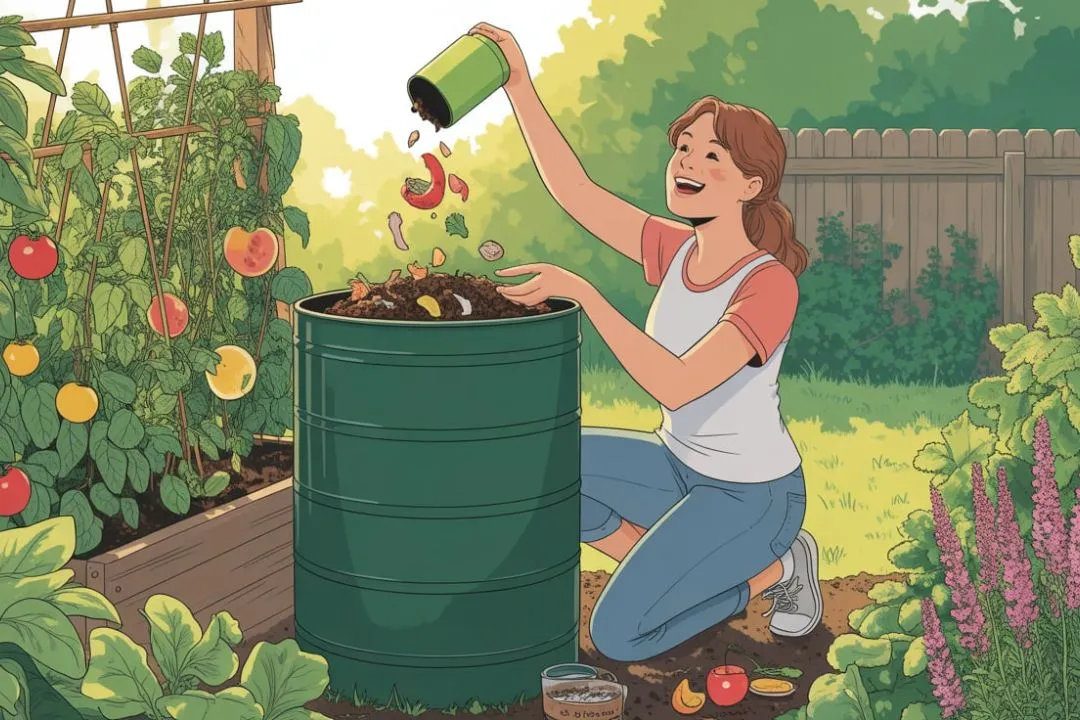
In a world increasingly focused on sustainability, composting at home is one of the easiest and most rewarding ways to reduce waste and improve your garden’s health. But many people still ask, “How do I make compost at home?” or “What’s the best way to compost at home?”
Whether you’re a total beginner or someone looking to upgrade your composting game, this guide will walk you through how to start composting at home, from creating a bin to choosing the right materials.
📚 Table of Contents
- Why Composting at Home Matters
- How to Start Composting at Home
- How to Make a Compost Bin at Home
- What to Compost and What to Avoid
- Making a Compost Pile at Home
- Best Compost Bins at Home Depot (and Alternatives)
- Common Questions About Composting at Home
- Conclusion
🔍 1. Why Composting at Home Matters
At-home composting isn’t just about reducing kitchen waste—it’s about creating natural fertilizer that improves your soil, saves money, and helps the planet. When done right, making compost at home can cut your household waste by up to 30%.
You’ll also reduce methane emissions from landfills and lower your carbon footprint.
🛠️ 2. How to Start Composting at Home
Starting is easier than you think. Here’s how to start a compost bin at home:
Steps to Get Started:
- Choose a location – shady, with good drainage.
- Pick a bin – enclosed bin or open pile.
- Add your greens and browns:
- Greens: veggie scraps, coffee grounds.
- Browns: dry leaves, cardboard.
- Keep it moist, not soggy.
- Turn regularly to add oxygen.
Whether you ask “How do you make compost at home?” or “How to create compost at home?”, the core process remains the same—balance, moisture, and air.
🧺 3. How to Make a Compost Bin at Home
You don’t need fancy equipment to get started. Here’s how to make a compost bin at home:
DIY Compost Bin Materials:
- Large plastic bin with a lid
- Drill (for airflow holes)
- Bricks (to elevate)
- Optional: compost thermometer
If you prefer to buy, check compost bins at Home Depot or search for at-home composters online. Some even offer odor control and faster breakdown time.
🍌 4. What to Compost and What to Avoid
✅ Compost These:
- Fruit & vegetable scraps
- Coffee grounds and filters
- Crushed eggshells
- Grass clippings
- Paper napkins (unbleached)
❌ Avoid These:
- Meat and dairy
- Oily foods
- Pet waste
- Diseased plants
- Glossy paper
Learning how to compost at home includes knowing what not to toss in your pile.
🌿 5. Making a Compost Pile at Home
If you’re not into bins, you can try making a compost pile at home in your backyard:
- Mark a 3×3 ft area
- Start with twigs or straw for drainage
- Alternate layers of green and brown
- Keep it moist and covered (with tarp or cardboard)
This is the best way to compost at home if you have outdoor space and want a low-cost solution.
🛒 6. Best Composting Products at Home Depot
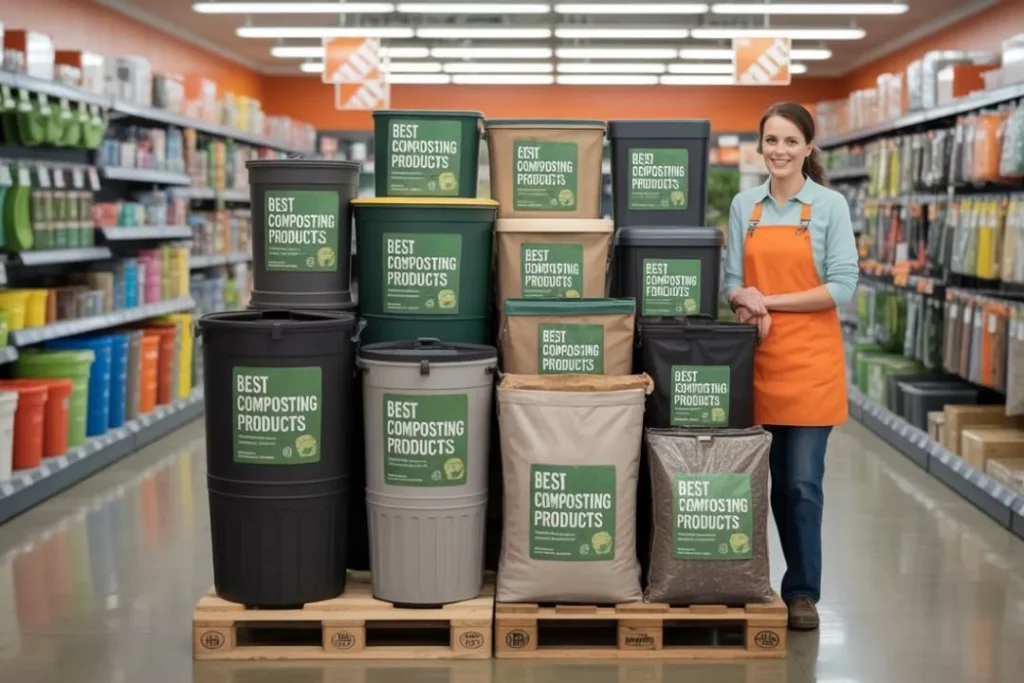
Many beginners search for:
- Compost at Home Depot
- At-home compost bins
- Organic compost at Home Depot
- Mushroom compost at Home Depot
These are great options if you’re not into DIY. You’ll find:
- Tumbler compost bins
- Countertop composters
- Bags of pre-made organic compost
Look for items labeled BPA-free, odor-controlled, and suitable for indoor or outdoor use.
❓ 7. FAQs About Composting at Home
Q1. How do I make compost at home easily?
Start with a plastic bin, add kitchen scraps and dry leaves, turn it weekly, and keep it moist.
Q2. How to make a compost bin at home for small spaces?
Use a 5-gallon bucket with drilled holes and keep it under the sink or balcony.
Q3. Can I compost in an apartment?
Yes, you can! Look for an at-home composter like a bokashi bin or use a worm bin (vermicomposting).
Q4. Is mushroom compost good for home gardens?
Absolutely! Mushroom compost at Home Depot is great for improving soil texture and moisture retention.
Q5. How long does compost take to form?
With proper conditions, compost is ready in 2–3 months.
✅ 8. Conclusion: Start Composting
Composting at home is simple, sustainable, and rewarding. Whether you’re using a DIY bin or picking up compost at Home Depot, every small step contributes to a greener planet.
So why wait? Now that you know how to start composting at home, turn your scraps into soil and do your part for the environment.