Introduction
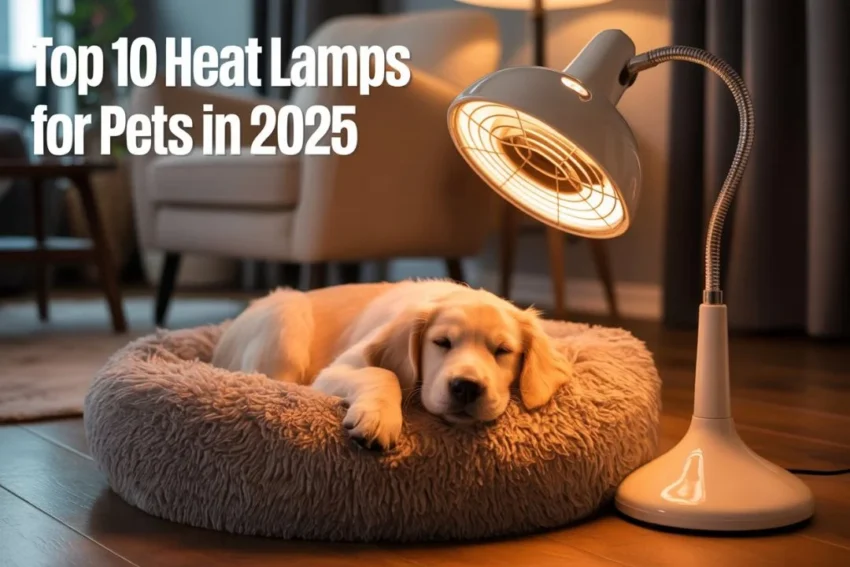
Pets want love, food, protection, and health from their owners, but one important need is the heat that provides a warm environment. The role of heat lamps for pets is very important, especially in cold weather, diseases, newborn fetuses, or newborn small animals. This article “heat lamps for pets”Will cover the full range of aspects: benefits, risks, selection criteria, method of use, safety principles, and advice for different species of animals.
What are heat lamps?
A heat lamp is a light/electric device that produces heat with light. It is usually in the form of a fiber ball or incandescent lamp, infrared or electric heating bulb. Heat lamps for pets refer to lamps that are specifically designed to be placed in animal housing or bedding to provide them with a suitable temperature.
How to choose the right “heat lamps for pets”?
Below are some important factors that will help you decide:
Temperature and Power (Wattage)
It is important to choose the wattage according to the type of animal, its age, the size of the habitat, and the level of cold. For example, a lower wattage may be sufficient for a small cage or indoor bird, but a larger reptile incubator will require a higher wattage.
Type of Lamp
- Infrared Heat Lamps: These provide heat along with light, and some have technology that is less eye-strain.
- Ceramic Heat Emitters: Do not provide light, only heat; useful at night or when lighting should be reduced.
- Red light heat lamps: Used in the environment of birds or some animals, but their light may affect the animal’s sleep or biological cycle.
Guarantee and safety standards
- Brand reputation, customer reviews
- Safety rating (e.g. UL, CE, etc.)
- Sturdy bulb and cover; glass should not be fragile
- Mounting devices such as hooks, chains, clips, etc. that hold the lamp securely.
Correct way of use
The following steps are very important to use “heat lamps for pets” effectively and safely:
Initial setup
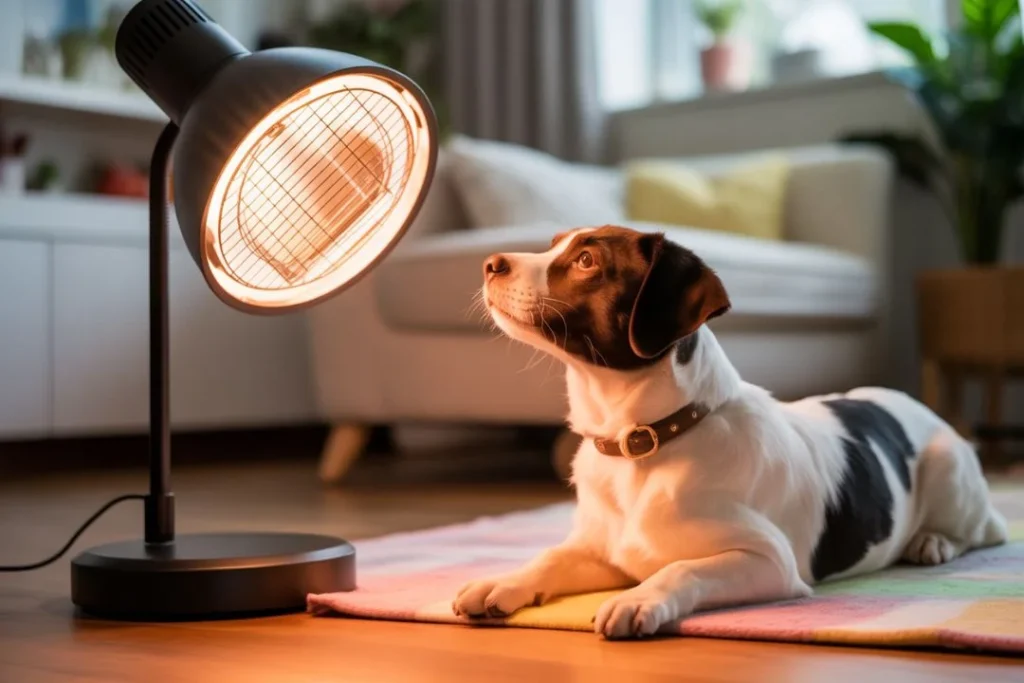
Place the heat lamp in your pet’s favorite spot, such that after warming up, there is also a cool place where the animal can go on its own.
Duration: Comparison of day and night
During the day, moderate lighting may be sufficient. At night or in the dark, if the temperature drops, use a low-light or no-light type.
Leaving a heat lamp on all night can be harmful, especially if there is no thermostat; the temperature may become too high or the humidity too low.
Retain moisture
Maintain humidity in the environment by using a bucket of water or a spray bottle, especially if the animal requires high humidity.
It is important to clean the bedding and cage so that the humidity does not drop too low.
Cleaning and maintenance
Dust, dirt, and debris should be removed from the lamp to allow proper heat dissipation.
It is important to replace bulbs, repair broken glass, or damaged parts on time.
Safety Measures
The following safety rules are mandatory when using “heat lamps for pets”:
Stay away from flammable materials.
Dry grass, clothes, paper, cage litter, etc. should be kept at least a few feet away from the lamp to reduce the risk of fire.
Strong installation
The lamp should be attached with hooks, chains, or regular clips to prevent it from falling. There is a risk when using extension cords, it is better to get power directly from a wall outlet.
Thermostat and temperature gauge
These devices help regulate temperature so that the animal gets the proper balance of heat or cold.
Monitoring and periodic checks
Observe the animal’s behavior: Does it want to come out after getting warm? Is it sweating a lot? Is it having trouble breathing? Look at the color of the skin, the condition of the eyes, etc.
Preparing for emergencies
If you feel danger from the lamp, turn off the power immediately. Make sure the circuit breaker is working. Have fire extinguishers available.
Common mistakes to avoid
- Placing the lamp too close
- Substandard bulb or weak glass
- Careless wiring
- Failing to turn off the lamp when the temperature is too high
- Ignoring humidity
- Less space for the animal to move around — meaning it can’t get away from the heat
Case studies and real examples
- Fires: Several farm and poultry cage fires have been caused by heat lamps when the lamps hit nearby dry bedding.
- Animals affected by heat: Some dogs and cats experience panting, restlessness, and restlessness when the lamp is too high or the animal has no escape route.
- Using infrared lamps: Infrared or ceramic emitters have proven useful for reptiles because they emit less light and can keep the temperature moderate.
FAQs — Frequently Asked Questions
Are heat lamps safe for all types of pets?
Answer: If used correctly, yes, heat lamps are safe for most pets. However, each animal has different heating needs, such as reptiles needing constant heat while dogs and cats only need it in cold weather. It is important to maintain an appropriate temperature for the animal, a safe distance, and use safety devices such as a thermostat.’
How long should the heat lamp be left on?
- : This depends on the animal, the weather and the type of lamp.
- 8–12 hours during the day,
- At night if the temperature is very low, a ceramic heat emitter can be used which does not provide light but provides heat.
Is it dangerous to keep a heat lamp on continuously?
Answer: Yes, if left on continuously and the temperature is not monitored, the animal can suffer severe heat loss (heat stroke or dehydration), and there is also a risk of fire. Always use a thermostat, timer, and automatic shut-off system.
Which type of heat lamp is better — infrared or ceramic?
Infrared heat lamps provide both light and heat, making them suitable for daytime use.
Ceramic heat emitters provide heat only, not light; they are suitable for nighttime use or for sensitive animals.
What safety precautions are necessary?

- Always place the lamp in a safe and elevated location
- Use a bulb from a trusted brand
- Do not place any flammable materials under the lamp
- Keep out of reach of animals
- Monitor the temperature regularly
- Do not keep water near the lamp
(Conclusion)
Heat Lamps for Pets are an important and effective solution that provides comfortable warmth to pets during cold, illness, or critical periods. But their use requires responsibility and complete caution.If you choose the appropriate heat lamp for your pet’s nature, needs, and environment, and follow all safety rules, this technology can be excellent for your animal’s health, happiness, and comfort.
Remember:
- Choose the right bulb
- Maintain the appropriate distance and temperature
- Keep monitoring
- And clean and inspect periodically
- Only then will your animal be able to get heat in complete safety.