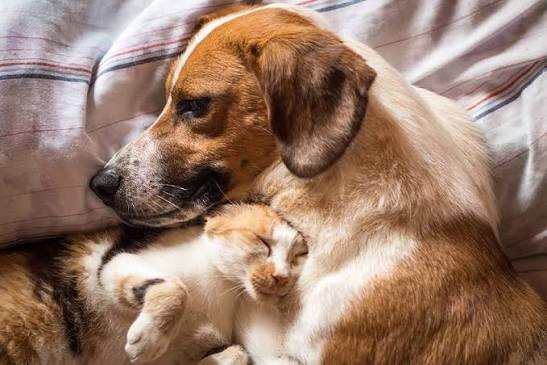
Pets are more than just animals living in our homes. They become part of our families and bring love, joy, and companionship into our everyday lives. Whether you have a dog, cat, rabbit, bird, or another type of pet, making sure they are happy, healthy, and active is an important part of being a responsible pet owner.
Just like people, pets need a balanced diet, regular exercise, proper healthcare, and emotional support to live a good life. The good news is that keeping your pet healthy does not always require expensive products or complicated routines. Small, consistent efforts can make a big difference in how your pet feels and behaves.
Here are some practical ways to help your pet enjoy a healthier and happier life.
1. Feed Your Pet a Healthy and Balanced Diet
Food plays a major role in your pet’s overall health. A balanced diet provides the nutrients they need for strong muscles, healthy skin, a shiny coat, and steady energy throughout the day.
Choose food that is suitable for your pet’s species, age, size, and health needs. Puppies and kittens, for example, have different nutritional requirements from older animals. If you are unsure about the right food or portion size, your veterinarian can help you make an appropriate choice.
Try to maintain regular feeding times and avoid giving too many treats. While it can be tempting to share your favorite snacks with your pet, some human foods can be harmful to animals. Chocolate, grapes, onions, and foods containing xylitol are dangerous for dogs, while cats also have specific dietary requirements.
A healthy diet is not about feeding your pet more food. It is about providing the right food in the right amounts.
2. Make Exercise a Part of Everyday Life
Regular physical activity helps pets stay fit, maintain a healthy weight, and burn off excess energy. It can also reduce boredom and encourage better behavior at home.
Dogs often enjoy daily walks, playing fetch, or exploring new surroundings. Cats can stay active through short play sessions with toys, climbing structures, scratching posts, and activities that encourage their natural hunting instincts.
Other pets need exercise too. Rabbits benefit from safe spaces where they can hop and explore, while birds need suitable opportunities for movement outside their cages under safe supervision.
The amount of exercise your pet needs depends on its age, breed, species, and physical condition. Start with activities your pet enjoys and adjust them according to their energy level.
Even spending 10 to 15 minutes playing with your pet can be a great way to encourage movement and strengthen your bond.
3. Give Them Plenty of Love and Attention
Physical health is only one part of a pet’s well-being. Pets also need companionship, affection, and a sense of security.
Spend time with your pet every day, even when your schedule is busy. You might take your dog for a walk, play with your cat, teach your pet a simple trick, or sit quietly together. These little moments help build trust and make pets feel connected to their owners.
Pay attention to how your pet responds to affection. Some animals enjoy cuddles and being close to people, while others prefer gentle interaction and more personal space. Respecting their comfort level helps them feel safe.
If you notice that your pet seems unusually withdrawn, restless, or less interested in activities they normally enjoy, take time to understand what might be causing the change.
4. Keep Fresh Water Available at All Times
Water is essential for your pet’s health. It supports digestion, helps regulate body temperature, and allows the body to function properly.
Make sure your pet always has access to fresh, clean drinking water. Wash the bowl regularly and refill it whenever necessary. During hot weather or after exercise, pay extra attention to hydration.
Some cats prefer drinking from moving water, so a pet fountain may encourage them to drink more. For other animals, the type and placement of the water container may also affect how easily they can access it.
Sudden changes in drinking habits can sometimes indicate an underlying health issue. If your pet begins drinking significantly more or less than usual, speak with a veterinarian.
5. Maintain Proper Grooming and Hygiene
Keeping your pet clean and well-groomed helps them feel comfortable and can prevent certain health problems.
Brush your pet’s coat regularly to remove loose hair, dirt, and tangles. Pets with longer fur may need more frequent brushing. Bathe them when needed using products made specifically for their species, and avoid bathing too often if it causes dry or irritated skin.
Nail trimming, ear checks, and dental care are also important. Long nails can make walking uncomfortable, while poor dental hygiene can contribute to gum disease and other problems.
Remember that grooming needs vary between animals. Some pets may need professional grooming, while others can be cared for at home with basic tools and a little patience.
Use grooming time to check for unusual lumps, wounds, skin irritation, or parasites. If something does not look right, seek veterinary advice.
6. Create a Safe and Comfortable Home
Your pet’s surroundings can have a significant effect on its happiness and health. A comfortable environment gives animals a place to relax, play, and feel secure.
Provide a clean sleeping area, suitable bedding, and enough space for your pet to move around freely. Keep cleaning products, medications, electrical cords, and other dangerous items out of reach. Make sure windows, balconies, gates, and fences are secure where needed.
Pets also benefit from having their own quiet space where they can rest without being disturbed. This is especially important in busy households with children or frequent visitors.
For cats, consider providing scratching posts and places to climb. Dogs may appreciate comfortable resting areas and toys they can safely chew. Birds and small animals need species-appropriate enclosures with suitable space and enrichment.
A safe home allows your pet to explore and relax without unnecessary risks.
7. Visit the Veterinarian Regularly
Regular veterinary checkups help keep pets healthy and allow potential problems to be identified early.
Your veterinarian can recommend vaccinations, dental care, parasite prevention, and other health measures based on your pet’s age, lifestyle, and medical history. Routine visits are also a good opportunity to discuss diet, weight, exercise, and any changes in behavior.
Do not wait until your pet looks seriously ill before seeking professional advice. Changes such as loss of appetite, unusual tiredness, repeated vomiting, difficulty breathing, or sudden changes in bathroom habits deserve attention. Breathing difficulties and other severe symptoms require urgent veterinary care.
Keeping a record of vaccinations, medications, and appointments can also make it easier to manage your pet’s healthcare.
8. Keep Their Minds Active With Play and Training
Pets need mental stimulation as much as physical exercise. Without enough activity or interesting things to do, some animals may become bored, anxious, or destructive.
Try introducing puzzle feeders, interactive toys, simple training games, or activities that encourage natural behaviors. Dogs can learn basic commands and enjoy scent-based games. Cats often respond well to toys that imitate the movement of prey.
You can also change toys occasionally to keep things interesting. There is no need to buy something new every week; rotating safe toys can make familiar items feel exciting again.
Training sessions should be short, enjoyable, and based on positive reinforcement. Reward good behavior with praise, play, or suitable treats.
These activities keep your pet engaged while helping you build a stronger relationship.
9. Maintain a Consistent Daily Routine
Pets often feel more comfortable when they know what to expect. Regular feeding times, exercise, play, and rest can help create a sense of security.
Try to keep your pet’s schedule reasonably consistent, even when you have a busy day. If you need to change feeding times or introduce a new activity, make the adjustment gradually whenever possible.
A routine can also help you notice health changes. For example, if your dog suddenly loses interest in its usual walk or your cat stops eating at its regular mealtime, you may recognize that something is wrong.
Of course, routines do not have to be rigid. The important thing is to provide dependable care while allowing enough flexibility for your pet’s individual needs.
10. Help Your Pet Maintain a Healthy Weight
Maintaining a healthy weight is essential for your pet’s long-term well-being. Excess weight can put additional pressure on the joints and may increase the risk of certain health problems.
Measure food portions instead of estimating them, and keep track of how many treats your pet receives throughout the day. Make sure treats do not replace balanced meals or contribute too much to daily calorie intake.
Combine appropriate feeding with regular exercise and play. If you are unsure whether your pet is at a healthy weight, ask your veterinarian to assess its body condition and recommend a suitable feeding plan.
Avoid putting your pet on a strict diet without professional guidance, especially if it has an existing medical condition.
11. Pay Attention to Changes in Behavior
Because pets cannot explain how they feel, their behavior can provide important clues about their health and comfort.
A normally playful pet that suddenly becomes quiet, an affectionate animal that begins hiding, or a pet that starts avoiding food may be trying to communicate that something is wrong.
Of course, behavior can change for many reasons, including stress, changes in the household, aging, or illness. Try to observe when the behavior started and whether anything else has changed.
Give your pet time to adjust to new surroundings and avoid forcing interactions when it appears frightened or uncomfortable. If the change is sudden, persistent, or accompanied by physical symptoms, consult a veterinarian.
Learning your pet’s usual habits makes it easier to recognize when they need extra help.
12. Give Them Time to Rest
Keeping pets active is important, but rest is equally necessary. Animals need enough sleep and quiet time to recover from physical activity and maintain their health.
Provide a comfortable resting place away from excessive noise and disturbance. Young animals, older pets, and certain species may need more rest than others.
Avoid interrupting your pet every time it lies down or sleeps. Children should also be taught to leave pets alone when they are resting, eating, or retreating to a quiet space.
A healthy balance of activity and rest helps pets stay comfortable and supports their overall well-being.
Conclusion
Keeping your pets happy, healthy, and active begins with understanding their everyday needs. A balanced diet, fresh water, regular exercise, proper grooming, routine veterinary care, and plenty of affection all contribute to a better quality of life.
You do not have to make major changes overnight. Start with a few simple habits, such as setting aside time for play, checking your pet’s food portions, or establishing a regular walking schedule. Over time, these small efforts can become part of your daily routine.
Most importantly, remember that every pet is different. Pay attention to its personality, respect its limits, and provide care suited to its age, species, and health needs.
Your pet depends on you for more than food and shelter. It depends on you for comfort, safety, companionship, and protection. By giving your pet consistent care and attention, you can help it enjoy a happier, healthier, and more active life while creating a loving bond that grows stronger every day.