(Introduction)
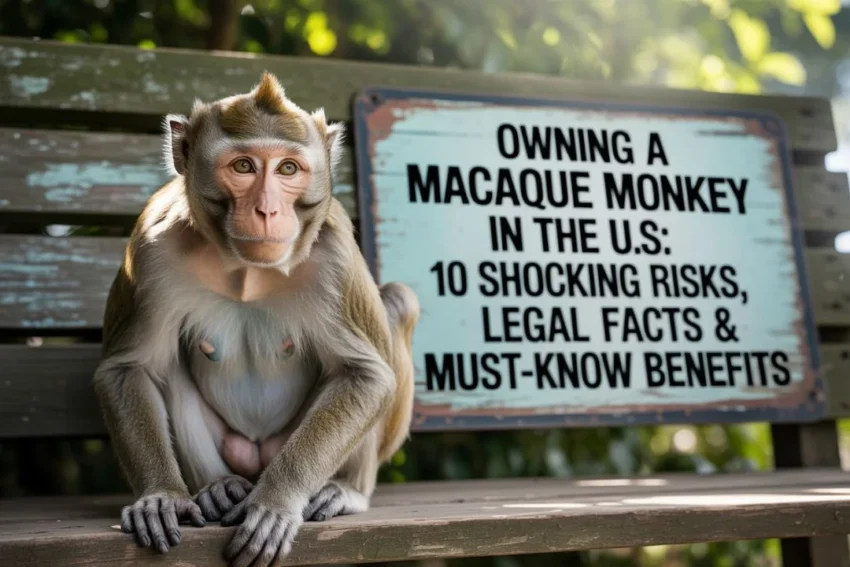
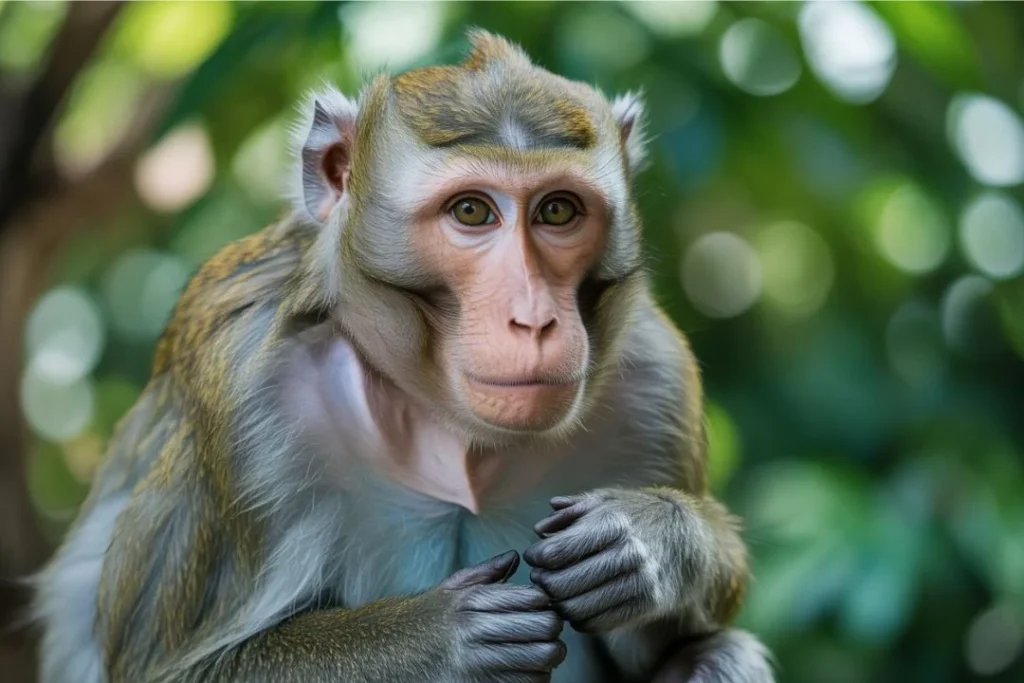
Macaques are monkeys found in South and East Asia, North Africa, Central Asia, and some other regions, and there are several species, such as rhesus macaque, long-tailed macaque, Japanese macaque, etc. Their intelligence, social behavior, and mobility make them extraordinary animals.
But is it right to keep these animals as pets? What are the legal, medical, and ethical aspects of keeping macaque monkeys, especially in the United States? This article is a detailed answer to these questions, and will cover all aspects of “macaque monkeys as pets” so that you are fully informed about what to decide.
Types and nature of macaques
Types of makeup
- Some of the main types are:
- Rhesus macaque (Macaca mulatta)
- Long-tailed macaque / Crab-eating macaque (Macaca fascicularis)
- Japanese macaque (Macaca fuscata)
- Barbary macaque (Macaca sylvanus)
Other species whose environments, physical characteristics, and behaviors differ from each other.
Nature, attitude and needs
- Socialization: Macaques are gregarious animals. They live in groups of their own species in the wild.
- Intelligence: These animals can learn, solve problems, play, and explore.
- Movement and recreation: Climbing, jumping, and spending time in trees are their natural habits.
- Age, Maturity, and Behavior: Some macaques can become aggressive as they mature, sexual behavior changes, and physical strength increases.
Harm, risks and ethical aspects
- Zoonoses: Macaques carry certain viruses and other germs that can infect humans. For example, Herpes B virus, which can be dangerous in human contact with rhesus macaques.
- Blood or bite wounds: Macaques can bite, and there is a risk that the wound will become infected.
- Behavioral/Psychological Problems: Being away from the wild environment causes monkeys to become stressed, depressed, and engage in repetitive behaviors, such as cutting themselves, biting, etc.
Medical and health risks
State Laws:
Many states ban macaques as pets or have strict licensing and regulations. For example, some states have a complete ban, some restrict certain species, and some allow them but with conditions.
Chapter Four: Laws on “macaque monkeys as pets” in the United States
Laws at the federal level

- CDC Restriction: Importation of nonhuman primates as pets is prohibited, and those imported after 1975 or their offspring that are not for research, education, or exhibition are prohibited.
- Animal Welfare Act (AWA): This law primarily concerns the welfare of animals, especially those being used for commercial sale, exhibition, transport, or research.
Review of State Laws
- Each state’s laws are different. Here are some important points:
- Some states prohibit the ownership of macaques altogether.
- Some states require a permit if someone wants to keep a macaque. The requirements for a permit include requirements for the care, housing, and safety of the animal.
- Some states impose additional restrictions under state and local regulations (county/city ordinances), such as specific site limits, outdoor shelters, noise, disease, and pest control.
Behavior and difficulties encountered
- Aggressive behavior: such as biting, fear reactions, or attacking humans, especially during puberty.
- Loneliness or restlessness: Monkeys can suffer from mental problems if they are not with other monkeys or lack a natural environment.
- Shelter or rehoming situations: Many “pet monkeys” end up in sanctuaries or animal rehabilitation centers because owners find them difficult to keep.
Alternative routes and recommendations
- If the decision to keep a macaque monkey as a pet seems difficult, these alternatives or recommendations may be helpful:
- Supporting or sponsoring wildlife sanctuaries to help keep wild monkeys safe.
- Working with local animal protection organizations to improve primate rights and care practices.
- If you plan to keep a monkey, consult with legal advisors, veterinary experts, and experienced pet primate keepers.
Summary
- Keeping macaques as pets can have emotional and cognitive benefits, but it is a huge responsibility that is associated with health, legal, ethical, and financial issues.
- In the United States, federal laws restrict importation and commercial use; state laws vary. Many states either ban them outright or have strict licensing requirements.
- If you are serious about this, find out the law in your state of residence regarding “macaque monkeys as pets,” develop a thorough strategy, and make the animal’s welfare a top priority.
Review and decision-making factors
If you are wondering whether it is appropriate for you to have macaque monkeys as pets, be sure to consider these factors:
Legal status:
Find out in your state, county, and city whether it is legal to own macaques, and if so, what types are allowed and what permits are required.
Financial Resources:
Macaque monkey care is expensive—housing, food, veterinary treatment, licenses, and safety measures.
Time and effort:
They will need daily attention, socialization, active play, and cleaning.
Quality of Place:
You have enough space to meet the monkey’s physical and mental needs, especially since they love to climb and move.
Risk awareness:
The potential for bites or wounds, transmission of diseases, and possible legal penalties.
Moral Responsibility:
Respecting the nature of wild animals, improving the quality of life of monkeys; thinking about whether it is better for these animals to be in the wild or in a safe haven, rather than in confined cages.
Frequently Asked Questions (FAQs) — Macaque monkeys as pets
Is it legal to keep a macaque monkey as a pet in the US?
It depends on the state. Some US states completely ban macaque monkeys, while others allow them with specific licenses. Their import and use as pets is strictly monitored under federal law.
What types of macaque monkeys can be kept as pets?
Species such as the Rhesus macaque, long-tailed macaque, and Japanese macaque are generally illegal or can only be kept in a restricted manner. Most species require a license or special permission.
Can macaque monkeys be dangerous to humans?
Yes, macaques can bite and transmit dangerous diseases like the Herpes B Virus, which can be fatal to humans. They can also be aggressive, especially as they mature.
Is it possible to train a macaque monkey?
To some extent, yes. Macaques are intelligent and can learn basic commands, movements, or habits, but they cannot be fully trained like pets (dogs, cats) like humans.
Are macaque monkeys safe for children?
No. Their temperament can be unpredictable, and keeping them with children can be dangerous. They may bite or cause harm, especially when they are in a bad mood.
What is the average lifespan of a macaque monkey?
Macaques can typically live for 20 to 30 years, provided they are well cared for. Their longevity also means that caring for them is a long-term commitment.
Is macaque monkey care expensive?
Yes, their food, housing, medical check-ups, and daily activities can be very expensive. In addition, there may be licensing and legal fees involved.
What should I do if I can no longer keep the macaque monkey?
The best option is to transfer it to a certified wildlife sanctuary or rehabilitation center. It is against the law to abandon or illegally sell a pet monkey.
(Conclusion)
The idea of having a “macaque monkey as a pet” may seem interesting and unique, but when we consider the practical, legal, medical, and ethical aspects of it, this decision becomes a very serious and responsible one.
- Although macaques are intelligent, active, and charming creatures, they are:
- They are wild animals that nature created for freedom, group living, and specific environments.
- Their care is expensive, complex, and time-consuming, involving specialized diets, training, safe housing, and ongoing socialization.
- They can be potential carriers of zoonotic diseases, such as the Herpes B virus, which can be dangerous to humans.
- In the United States, there are strict laws governing their ownership, and in many states it is illegal or requires a license to keep them as pets.
- From an ethical perspective, it is also a serious issue to confine a wild animal solely for human consumption and to limit its natural needs.
If you are still interested in keeping “macaque monkeys as pets”:
- First, thoroughly research your state, county, and local laws.
- Make the animal’s welfare a top priority.
- Have a clear understanding of long-term care, financial costs, and health risks.
- Consult with a reputable sanctuary or primate rescue center.
Remember, loving animals is not just about adopting them, it’s also about respecting their natural rights. Sometimes, not adopting them is the best course of action.