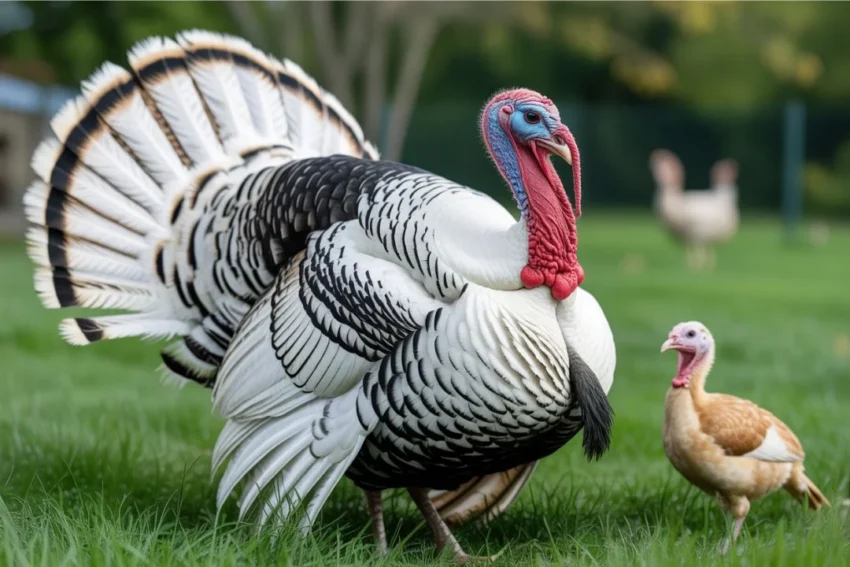
Turkeys for Pets – Is it possible to keep a turkey as a pet?
When we think of pets, the first thing that comes to mind is a cat, dog, or parrot, but have you ever considered keeping a turkey as a pet? If not, you might be surprised to learn that this beautiful and intelligent bird is not only unique as a pet, but can also be beneficial in many ways.
Why keep a turkey as a pet?
The trend of keeping turkeys as pets is now slowly growing around the world. Here are some reasons for this:
Friendly attitude and intelligence
A turkey is a social and intelligent bird. If you raise it from a young age, it will become familiar with you, respond to your voice, and sometimes even learn to walk with you.
Unique and charming personality
A turkey has a personality that is different from other pets. Its unique voice, gait, and feathers make it stand out from the rest.
Low-cost breeding
Turkey food is not expensive, and it is happy with most grains, vegetables, and water. If you have a little open space, you can provide the perfect environment for a turkey.
What are the things you need to take care of when Turkeys for Pets
If you plan to keep turkeys as pets, here are a few things to keep in mind:
Accommodation arrangement
Turkeys need an open space where they can roam freely. A safe and clean cage or fence is essential to keep them safe.
Food order
Feeding a turkey a balanced diet is essential for its health. Grains, green leaves, and clean water are sufficient. Fruits can also be given occasionally.
Medical care
It is also important to take care of the health of the turkey. Vaccinations, cleaning, and timely consultation with a doctor are necessary.
Can everyone Turkeys for Pets
While turkeys for pets can be an exciting experience, they are not suitable for everyone. Raising turkeys requires patience, time, and space. If you have a garden or yard and love animals, this can be a wonderful choice.
Types of Turkey: Which Breed is Best for a Pet?
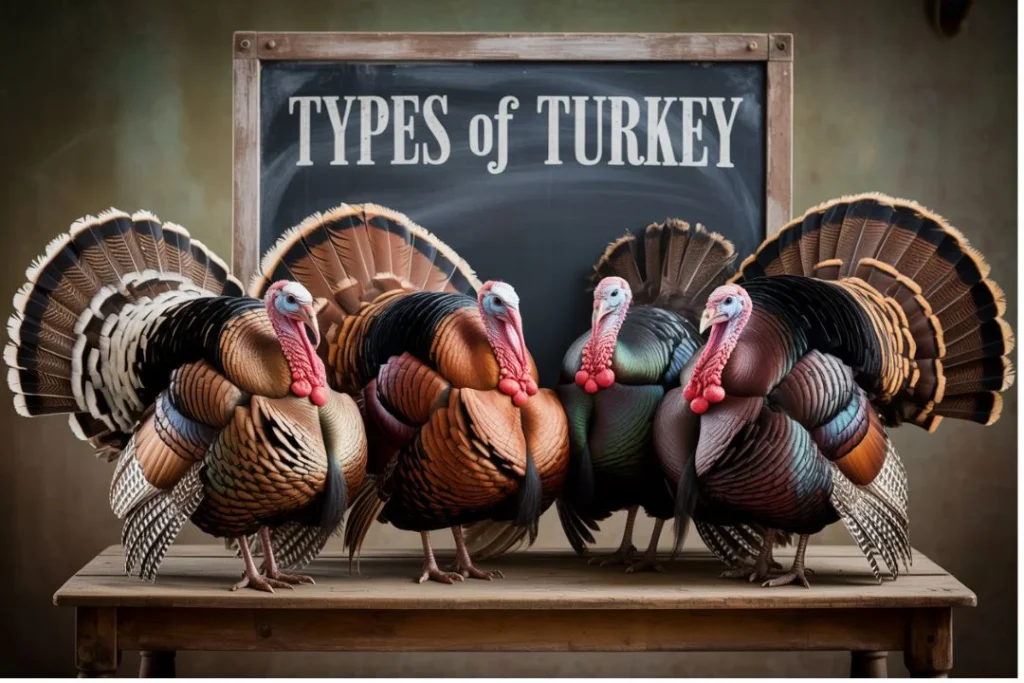
When it comes to turkeys for pets, not every breed is suitable for this purpose. Here are some of the main breeds:
- Heritage Breeds
These breeds tend to be more friendly and people-friendly. For example:
- Narragansett
- Bourbon Red
- Royal Palm
These birds live longer, are relatively smaller, and are better trained.
- Broad Breasted White
It is mostly raised for meat and is very heavy, so it can be difficult to keep as a pet.
Types of Turkey: and training
Many people don’t realize that turkeys for pets are quite trainable. If you start raising them at a young age, they will:
- Recognize you
- Eat food from your hand
- Respond to certain sounds
- Start walking with you
- Turkeys can be trained in positive ways such as:
- Through food rewards
- With gentleness and patience
- Through consistent daily routines
Challenges ofTypes of Turkey: in Us or other countries
Availability in Us
Turkey is not common in Us, but is available on specific farms in major cities. It can also be purchased from online platforms.
Challenges
- Lack of vaccines and veterinary facilities
- Complaints from neighbors due to noise
- Lack of knowledge of local laws
- Climate control issues in winter or summer
Legal and ethical aspects
- It is important to know local laws before keeping turkeys as pets:
- Is keeping turkeys allowed in your area?
- Are there any vaccinations or licenses required?
- Do you have the right space and time?
- Remember: a turkey is also a living being, its well-being and comfort are your responsibility.
A few useful tips:
- Never keep a turkey alone, it is a social bird — two or three is best
- Spend some time with it every day
- Provide a shady spot in hot weather and an enclosed space in cold weather
- Keep clean water and fresh food available at all times
- Create a small “sunbathing” area for it so it can enjoy its natural surroundings
benefits of keeping a turkey as a pet
Friendly and sociable disposition
Turkeys generally become accustomed to humans and have a friendly demeanor, especially if raised from infancy.
Interesting and unique pet bird
Turkeys are unique and rarely seen animals compared to other common pets, making you stand out from the crowd.
Low-cost food
Turkeys do not need expensive food; they are happy with ordinary grains, vegetables, and fruits.
Educational experience for children
Raising turkeys teaches children about animal care, compassion, and responsibility.
Natural Weed/Pest Controller
If you have a yard or garden, turkeys will automatically keep the environment clean by eating insects and grass.
Those with pure hearts and memories
Turkeys recognize their owner and become accustomed to daily habits.
Ability to lay eggs
Some breeds also lay eggs, which are rich in protein (if you use eggs).
Noise is reduced
Although turkeys have distinctive vocalizations, they do not make repeated noises like roosters or dogs.
potential disadvantages of raising turkeys
High space requirement
Turkeys need open and safe space, which can be difficult in flats or small homes.
Shortage of veterinarians
In countries like Us, the availability of turkey specialist veterinarians may be limited.
Environmental sensitivity
Extreme heat or cold can make turkeys sick, especially if there is no shade or warm place for them.
Legal issues
Some areas may have restrictions on keeping large birds indoors.
Danger from other animals
A cat, dog, or bird of prey can be dangerous to a turkey, especially if they are roaming free.
Cleaning problem
Turkey droppings can be large, which can cause odor or germ problems if not kept clean.
Fear of human diseases
If proper vaccination or hygiene is not maintained, birds can transmit zoonotic diseases.
Attempt to fly and escape
Some turkey breeds have the ability to fly, so a secure fence or net is necessary for them.
Turkeys for Pets – FAQs
Can a turkey really be kept as a pet?
Yes! A turkey can become a very friendly and obedient pet if given proper training and attention from an early age.
How much space does it take toTypes of Turkey
Turkeys like open space. At least 20 to 30 square feet of space is needed per turkey, so that it can move around comfortably and not feel cramped.
Does a Types of Turkey: make noise?
The turkey’s call is distinctive and somewhat loud, but it is not as annoying as a rooster crowing or a dog barking. It usually makes a sound in the morning or when a stranger is present.
What does a Types of Turkey: eat?
Turkeys eat grains, vegetables, grass, fruits, and insects with relish. Balanced feed and clean water should be provided daily to pet turkeys.
Can Types of Turkey: be kept with other animals?
Yes, if properly introduced, turkeys can live with chickens, ducks, or some other birds, but they must be protected from predators such as cats or dogs.
Can a Types of Turkey: get sick?
Yes, if cleanliness and feeding are not taken care of, turkeys can suffer from various diseases, such as bird flu, respiratory diseases, or intestinal inflammation.
Is turkey easily available in Us?
In major cities like denver’ dallas’ chicago turkey is available at certain poultry farms or online farm marketplaces. However, it can be difficult to find in smaller cities.
How old does a Types of Turkey:
A pet turkey can typically live between 5 and 10 years, provided it is provided with the right diet, care, and a safe environment.
(Conclusion)
Keeping a turkey as a pet can be a unique, exciting, and rewarding experience – provided you have the time, space, and ability to meet its needs. Although turkeys are not as popular as common pets (such as cats or dogs), their friendly nature, simple diet, and engaging personality give them a special place.
The idea of Turkeys for pets is not just a fashion or a hobby, but an opportunity to connect with one of nature’s beautiful birds. Not only is it fun and entertaining, but it can also be a learning tool for children.
However, it is important to thoroughly understand the pros and cons, environment, legal aspects, and care requirements before raising a turkey. As a responsible owner, if you give it the right attention, this bird can become a loving, loyal, and special part of your home.